THE PRODUCT-MARKET FIT SIMULATION

Find your first hundred customers before your competition does.

Pick a startup idea and get a fixed budget of 100 research points to test your value hypothesis through customer discovery. In this phase you have two discovery moves: problem interviews with prospective customers, and desk research to size up the industry. Spend your 100 research points wisely — you'll walk away knowing whether to double down, pivot, or drop the idea, and why.

Explainer · 90 seconds
Fig. 00
Section I · Pick a starting point

Three startup ideas to try.

You'll choose one to test

Each idea is someone's rough pitch — the kind of thing a friend might describe over coffee. Your job is to figure out, by talking to people, whether it's worth actually building. You'll have 100 research points and two discovery moves to spend them on: problem interviews and desk research.

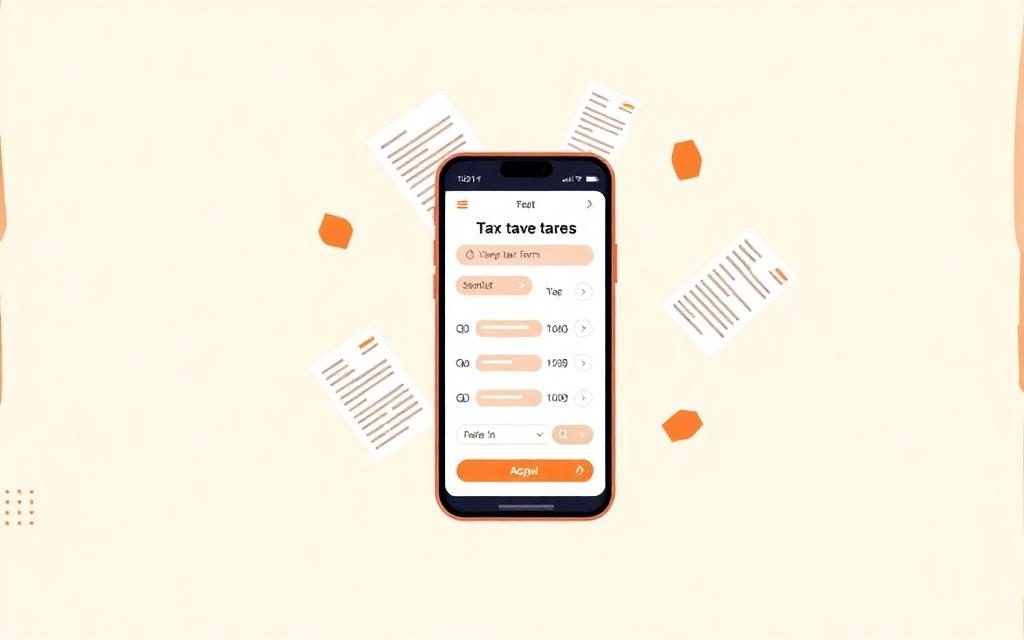
Illustration of Lantern
Idea · 01 · Project Lantern

A phone app that does your taxes in about 15 minutes.

You take pictures of the tax forms and receipts you got in the mail. The app reads them, asks a few plain questions like "did you drive for work?", and fills everything out for you. It's free to try and costs $39 when you're ready to send it in. Made for people who usually pay someone at a shop, or who hate spending an evening clicking through TurboTax.
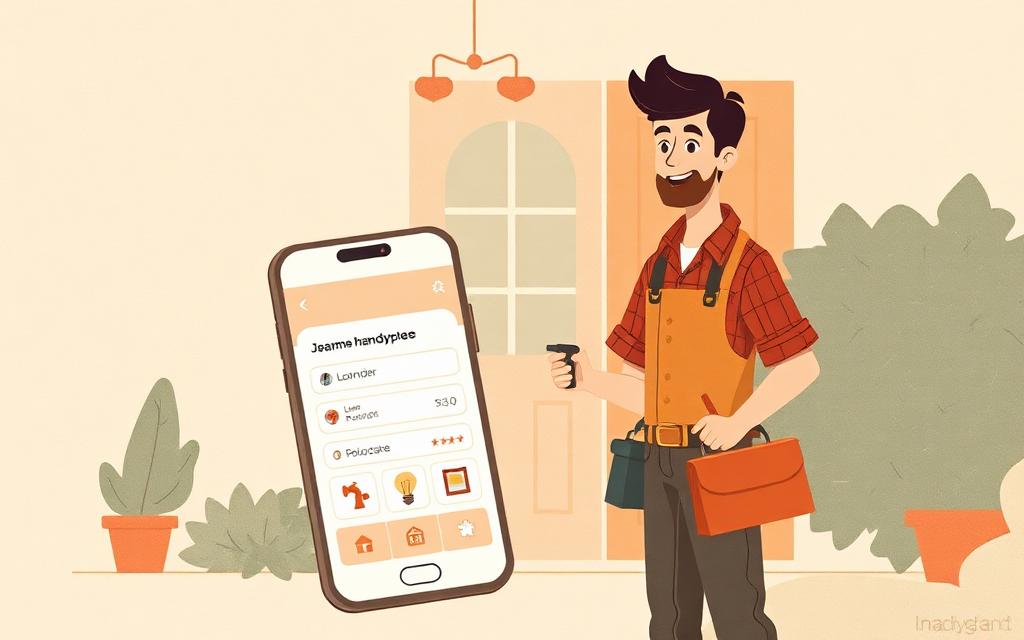
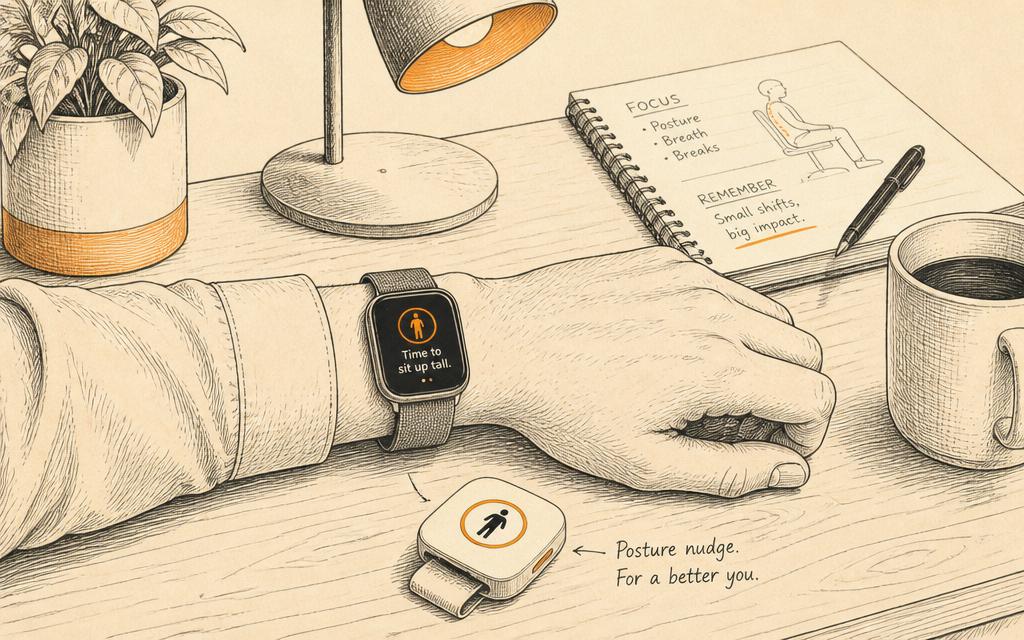
Illustration of Kiln
Idea · 02 · Project Kiln

An app for booking someone to fix small stuff around your house.

Think leaky faucet, wobbly ceiling fan, a picture that needs hanging, a smart lock that won't connect — the little jobs that take under two hours. You pick the job, see a flat price up front ($59–$149), and a background-checked handyman shows up in a set time window. If you liked them, you can book the same person again with one tap.

Illustration of Ember
Idea · 03 · Project Ember

A little clip-on gadget that reminds you to stand up.

It's about the size of a car key fob and clips onto your clothes. It buzzes when you've been sitting for more than 45 minutes, tracks how often you get up, and shows you a two-minute stretch on your phone. Costs $89, with an optional $4-a-month coaching add-on. The pitch: a dedicated device you'll actually notice, instead of one more buzz from the smartwatch already on your wrist.

You'll pick one of these once you start the simulation.

Section II · Keep learning

Learn more about building startups.

Where to look next

Two solid starting points below — books, free courses, and short talks. The full reading list, sorted by topic, lives in the Resource Guide.

Start here · 01

Learn Lean Startup

Build–measure–learn

A great place to learn how to run a new venture as a series of small experiments: decide what you believe, design a cheap test, look at the result, then choose to keep going or change direction.

Start here · 02

Learn Customer Discovery

Get out of the building

A great place to learn how to talk to real customers: meet the people you think you're building for, watch how they actually solve the problem today, and let what you hear redraw who your customer is.

Want more? The Resource Guide has a full set of links to keep learning, sorted by topic.