
← First HundredRun your own →
SAMPLE RUN · SCENARIO EMBER

A worked example: four interviews, one desk pass, one pivot call.

This is a full customer-discovery run from the simulation, replayed verbatim. Read it before you play if you want to see exactly what "good" looks like — the questions, the evidence tags, and the summary that comes out the other end.

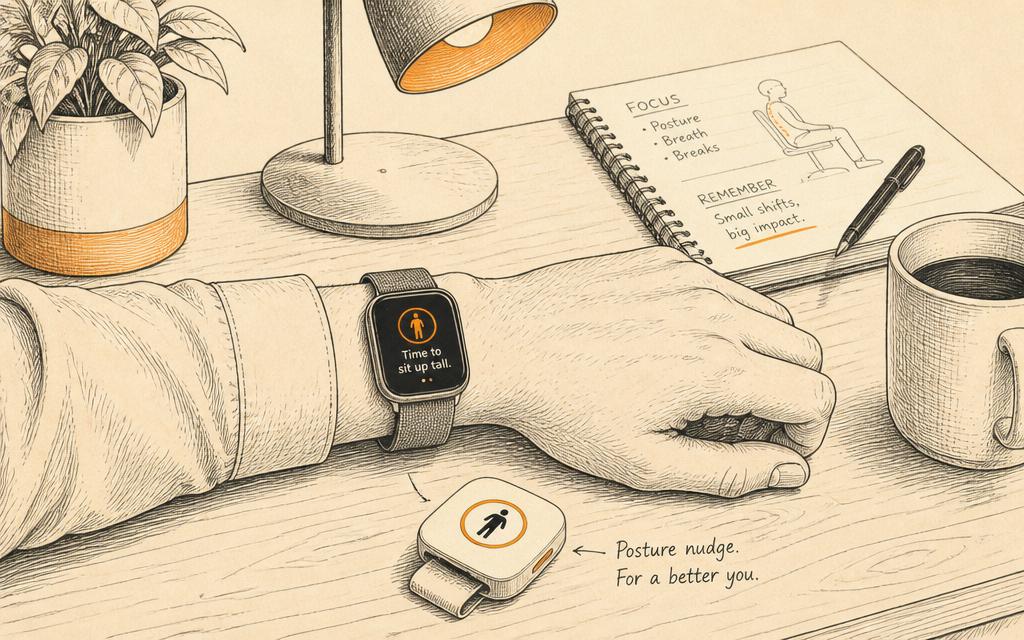
A clip-on wearable fob on a wooden desk next to a smartwatch.
THE IDEA

Ember — a stand-up nudger the smartwatch already does for free.

An $89 clip-on fob that buzzes after 45 minutes seated. Optional $4/mo posture coaching. Your co-founder is convinced this is huge. You're not so sure — because every mainstream smartwatch already ships the stand-up nudge.

Runway
100 pts
Interviews to spend on
4 of ~6
Time
~15 min

The starting hypothesis

SegmentRemote knowledge workers (25–45) who sit 6+ hours a day and already own a smartwatch they've muted.
ProblemThe stand-up nudge on their smartwatch is buried under notifications, so they ignore it and end the day stiff and sore.
OfferA single-purpose $89 clip-on fob that buzzes after 45 minutes seated and can't be silenced by a Slack ping. Optional $4/mo posture coaching.

Concrete enough to be wrong on purpose. That's the point.

The interviews

4 × 3 pts = 12 pts
INTERVIEW 01 · 3 pts

Tomás Velez · Remote backend engineer

Noise

Opening question: "Walk me through the last time you tried to sit less at work."

  1. THEMHonestly? I bought a standing desk two years ago. I raise it maybe twice a month.
  2. YOUWhat about your fitness tracker — didn't you mention you have a few?
  3. THEMThree. Two in a drawer. My watch buzzes every hour but I swipe it away in like half a second, I don't even read it anymore.
  4. YOUIf a dedicated device buzzed harder — one you couldn't silence from Slack — would you use it?
  5. THEMYeah, probably. I mean, if it actually got me moving? Sure, I'd try it. Send me the link when it's out.
TAKEAWAY — "I'd probably try it" from someone who abandoned three trackers is a compliment, not a purchase. He's a gadget graveyard, not a customer.

INTERVIEW 02 · 3 pts

Hannah Pelletier · Post-spinal-surgery patient

SignalDISCONFIRMS

Opening question: "You have to move every 30 minutes for six weeks — how are you managing that today?"

  1. THEMPhone alarms. I set six. I snooze five of them. My PT is going to kill me.
  2. YOUIf your physical therapist handed you this fob at your next appointment, what happens?
  3. THEMI'd wear it. If Dr. Chen tells me to wear something, I wear it. I paid out of pocket for the special pillow she recommended — that was $140.
  4. YOUAnd if you saw it on Amazon for $89 with no PT recommendation?
  5. THEM…probably not. There's a hundred of those on Amazon. I wouldn't know which one is real.
TAKEAWAY — Pain level 10, real workaround (snoozed alarms), and — critically — she'll pay $140 through a clinician channel but zero through DTC. Channel matters more than product here.
INTERVIEW 03 · 3 pts

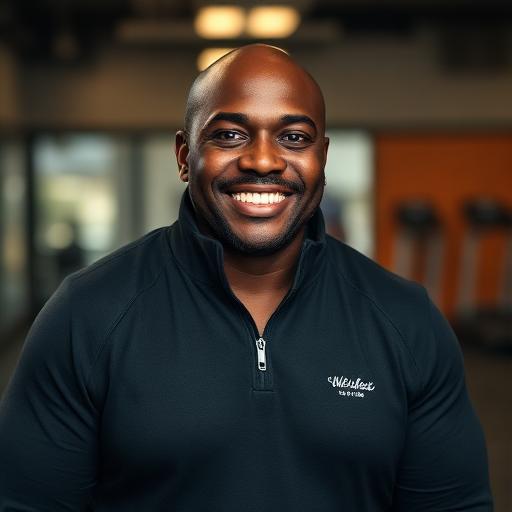
Coach Reggie · Corporate wellness director

SignalDISCONFIRMS

Opening question: "Walk me through how you'd buy 5,000 of these for your employees."

  1. THEMLove the concept. Send me a deck. Our procurement cycle is nine months, and we're locked into a fitness-app contract through 2027.
  2. YOUSo a pilot this quarter isn't realistic?
  3. THEMNot with real budget. I could get you in front of our vendor if you want to be an add-on inside their platform.
TAKEAWAY — B2B wellness is nine months away and gated by an incumbent. Not the first hundred customers — a distraction from them.
INTERVIEW 04 · 3 pts

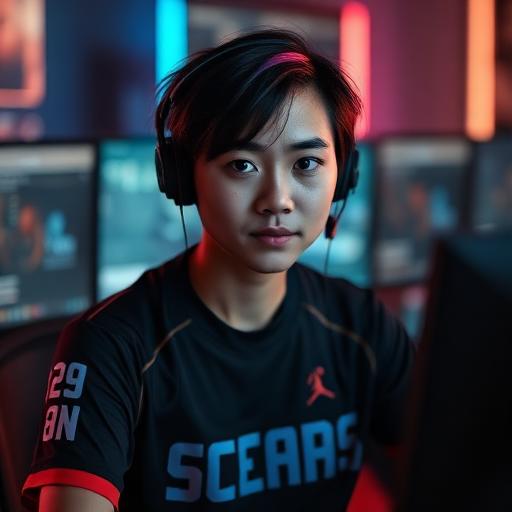
Sasha Nguyen · Esports player, 8-hour practice blocks

Mixed

Opening question: "Your back's been an issue at 22. What have you actually tried?"

  1. THEMIce packs after ranked. A gaming chair my sponsor sent. That's it. I don't want a wearable — I already wear a heart-rate strap for content.
  2. YOUIf it were clipped to your chair, not your body?
  3. THEMMaybe. But honestly the thing that would help is if my coach yelled at me to stretch. That's what works.
TAKEAWAY — Real pain, no willingness to add another wearable. The intervention that works is social (coach), not device.
The desk-research pass

DESK RESEARCH · 1 pts
Signal

Ran three Google queries and one ChatGPT synthesis on "posture fob competitors", "Apple Watch stand reminder churn", and "clinician-prescribed movement wearables". Total spend: 1 pt.

Apple Watch + Fitbit + Garmin combined ship ~120M units/yr with stand-up reminders. Two DTC posture-fob competitors (Upright, Lumo Lift) both pivoted or shut down between 2019–2022. The one growing category: clinician-prescribed movement reminders bundled with PT programs (Hinge Health, Sword Health) — B2B2C via insurance.

Evidence-gathering score

FINAL SCORE
68/100

Solid, not perfect. The score rewards follow-up depth, disconfirming evidence, and actively reconciling what each interview means — not just collecting quotes.

  • Follow-up depth22/30

    3 of 4 interviews went past the second question. Tomás transcript could have pushed on the ‘send me the link’ line.

  • Disconfirming evidence28/40

    Hannah + Reggie both broke the DTC-to-remote-workers hypothesis. Explicitly logged as disconfirming, not explained away.

  • Active evaluation18/30

    Every interview tagged and noted. One entry (Sasha) sat un-reconciled for two turns before you flagged it as mixed.

The call: pivot

PIVOTBased on 4 interviews + 1 desk pass · 13 pts spent · 87 pts left.
FROM

DTC clip-on for remote knowledge workers.

TO

Clinician-channel movement device for post-op recovery patients (6–12 week window), sold through PT clinics at $140.

WHY
  • Hannah paid $140 out-of-pocket for a PT-recommended pillow — willingness to pay is 1.5× current price when the channel is clinical.
  • Gadget-fatigue kills DTC: Tomás owns three trackers and uses none. The smartwatch stand-up nudge is already free on every wrist.
  • Every historical DTC posture-fob competitor pivoted or died. The category that's growing is B2B2C via PT/insurance.
  • Corporate wellness is 9+ months out and gated by an incumbent — not a first-hundred channel.

A well-timed pivot on strong disconfirming evidence scores as well as a validated bet. The remaining 80 points would go into two interviews with PTs at outpatient orthopedic clinics — the new beachhead.

Your turn. Pick a scenario, spend your points, come out with a decision.